The moves you need to know in order to stay fit, healthy and energised when you work from home.
We all know that modern day sedentary lifestyles have detrimental effects for our health. Regular movement has multiple benefits that are not just about losing weight.
However, not all movement is made equal. We talk with pilates instructor Stephanie James of Refreshercise about holistic movement to combat the effects of prolonged sitting, that can recharge and energise you at your desk.

Why sitting is bad for you
Modern lifestyles mean we are often sitting; sitting at our desks, sitting in front of the TV, sitting in the car. It makes sense that sitting for prolonged periods with no exercise can be bad for your heath. Just how bad has been reported by multiple media outlets with articles claiming sitting for longer than eight hours with no physical activity poses a similar risk of dying as smoking and obesity. Academic research has found the risks of excessive sitting may not quite equate to smoking but they still reveal adverse health outcomes such as doubling the risk of type 2 diabetes.
Pilates Instructor, Stephanie James, founder of Refreshercise also highlights some of the negative effects of excessive sitting. She gives us tips to combat the effects of prolonged sitting.
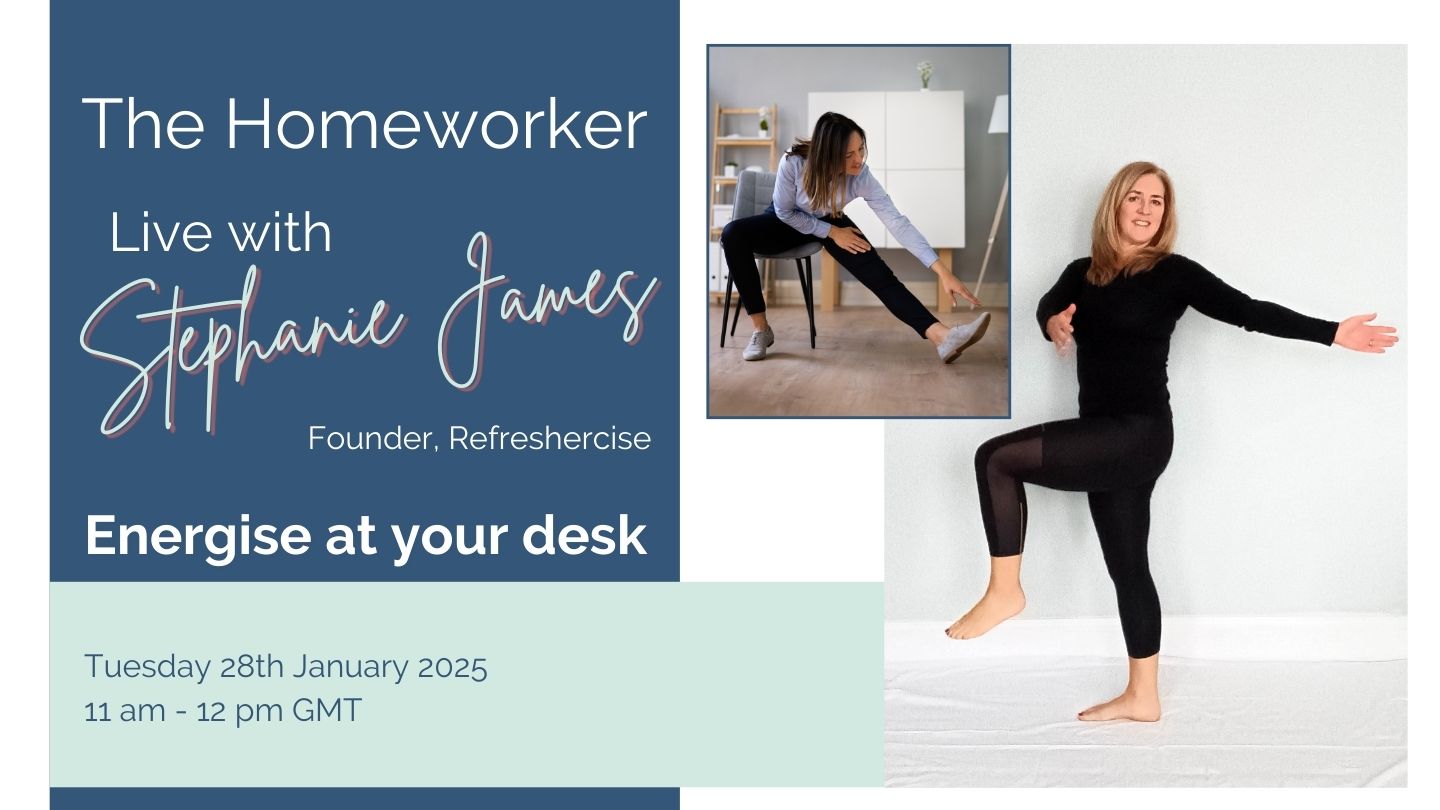
JOIN US LIVE!
Don’t forget to join us live on January 28th at 11 am when Stephanie will be taking us through a series of postures and movement you can do from the comfort of your home.
You’ll feel refreshed and ready to tackle the rest of your day! SIGN UP FREE HERE
Musculoskeletal issues caused by prolonged sitting
- Compression in your spine, causing lower back pain and premature disc degeneration.
- Shortened hip flexor muscles, leading to hip joint problems.
- A forward slump in the upper back, straining the neck and shoulders.
According to the Health and Safety Executive, over half a million workers suffered from work-related musculoskeletal disorders (MSDs) in 2023/24, with the admin and support service industries being hit the hardest. Astonishingly, 7.8 million working days were lost due to MSDs. Over 70% of chiropractors have treated patients with injuries linked to sedentary lifestyle habits such as screen time (78%), commuting (88%), and prolonged sitting (93%) according to a survey by The British Chiropractic Association Survey.
Cardiovascular problems
Sitting can reduce blood flow to your legs, increasing your risk of heart disease and heart attacks. A recent study by The Medical Research Institute of New Zealand revealed that sitting for over 10 hours significantly heightens the risk of major cardiovascular disease. Additionally, sitting impacts your blood pressure and sugar regulation, potentially leading to diabetes.
While regular exercise outside of work helps, it doesn’t completely negate the risks posed by prolonged sitting. Diabetes UK and US emphasise the importance of breaking up periods of sitting with brief activity every 30 minutes to improve blood glucose levels.
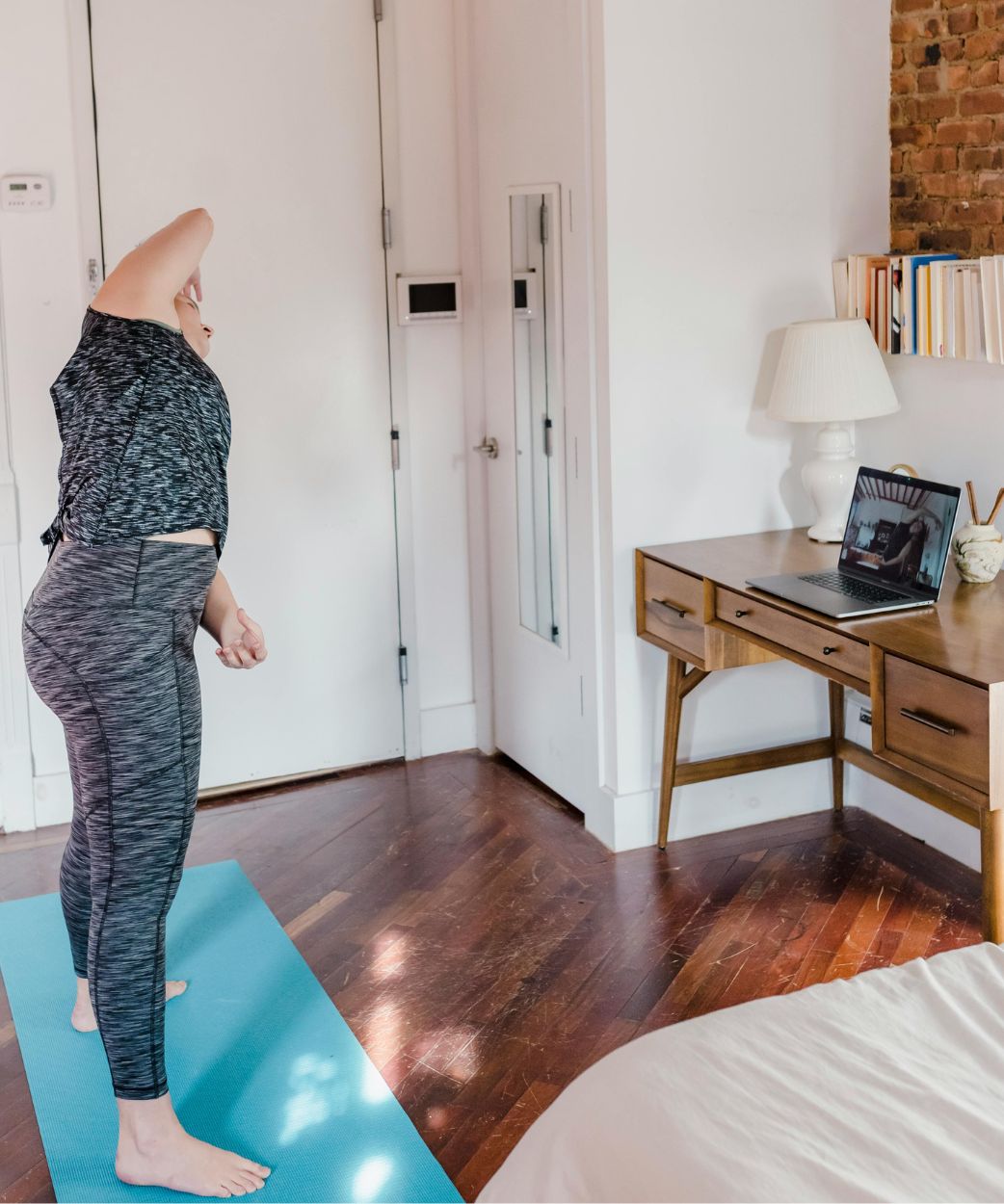
Mental Health
Sitting for extended periods is linked to poor mental health outcomes, including depression, burnout, and mental fatigue. Research indicates that employees who sit for long hours without physical breaks experience higher levels of depression and fatigue, even if they engage in physical activity outside of work.
Deep Vein Thrombosis (DVT)
Just as sitting on a plane can cause DVT, prolonged sitting at a desk without breaks can lead to fluid pooling in your lower legs and feet, increasing the risk of DVT or venous thromboembolism (VTE). A study found that prolonged seated immobility at work may represent a common and important risk factor for VTE.
The answer isn’t simply to stand up more. A recent study showed that some cardiovascular problems were found with workers using stand-up desks for too long too. Too long, is two hours, according to the New Zealand study. Shop workers who stand all day have an associated risk of varicose veins, so it is just the same for desk workers. The common thread running through all the above identified risks of prolonged sitting or standing is that being stationary is bad for our health.
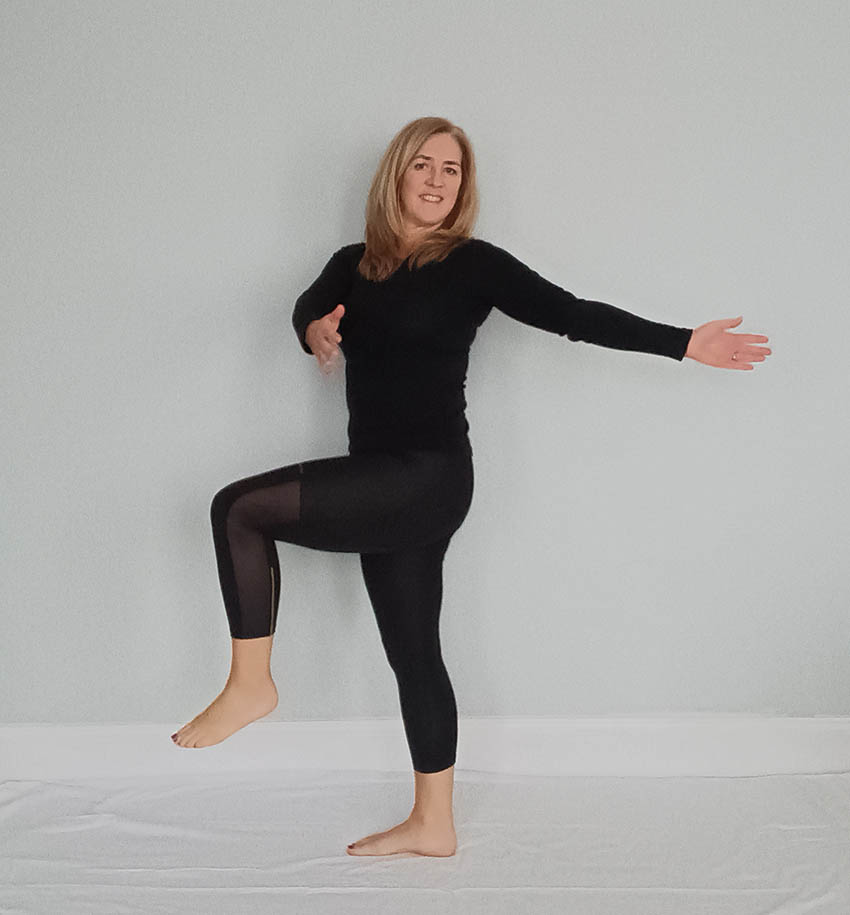
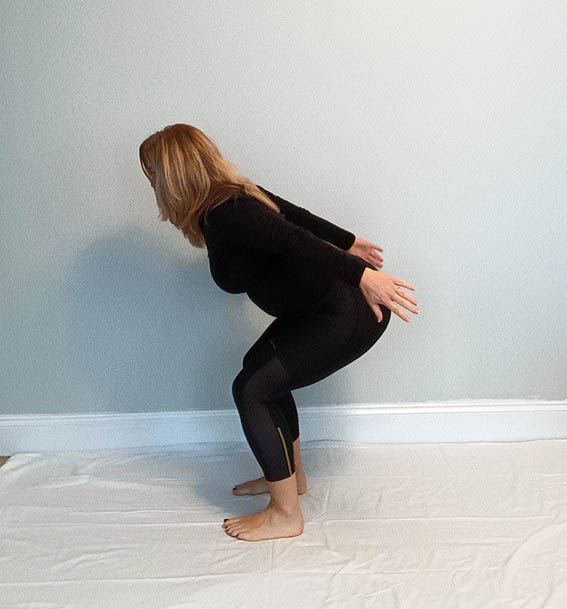
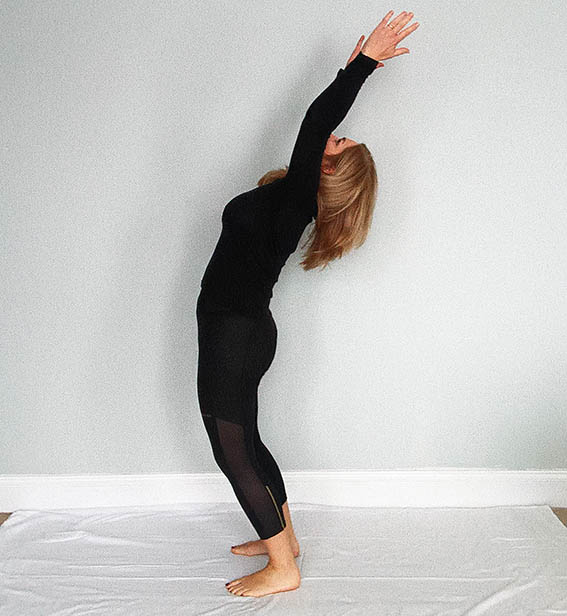
So, what can you do about it?
- Stay Active: Move around during your workday. Move every 30 minutes, and if you have time, a brisk 10-15 minute walk during lunch can do wonders. Try adding movement or ‘exercise snacking’ in drink or bathroom breaks. Simple lunges and arm circles can
- Short Routines: Break up sitting with a 5-minute Refreshercise video at your desk. You can trial it for free!
- Do Mini Squats: Stand up and sit down several times to boost blood flow.
- Kitchen Disco: Put on your favourite tune and dance for a few minutes! Do it in your workspace or during a lunch break. It gets the blood flowing and can give you an endorphin boost.
- Screen and Keyboard Positioning: Ensure your screen is at eye level to avoid slumping, whether sitting or standing. Forward head posture is a no-no for spine and shoulder health.
You can learn much more about the importance of ergonomics here.
Find your ideal setup and seated position with leading physiotherapist Nell Mead inside previous issue (The Joy issue in the back issue library.) - Alternate Sitting and Standing: If you use a sit-stand desk, alternate every hour between sitting and standing.
- Regular Exercise: Incorporate a mix of strength, flexibility, and aerobic activities into your weekly routine; Pilates, yoga, strength training, running, brisk walking, dance and any sport.
Why not check out the article packed with ideas to help you fit in fitness and ‘pair up activities’ inside the print volume 3 of The Homeworker magazine. - Don’t Stress Over Occasional Long Sitting: It’s the daily cumulative effect that impacts health, not occasional long periods.
Join our live session!
Join us on January 28 at 12.00 for a live Refreshercise class! We’ll do a sequence of movements right at your desk—no need to change clothes. You’ll feel refreshed and ready to tackle the rest of your day! Register to attend here.
About the author

Having started my career in an office, I know first-hand the pain and discomfort of desk-based work. After developing severe nerve pain from poor posture, I turned to Pilates, which worked wonders. Now, with 25 years of teaching experience in physiotherapy clinics and government offices, I’m dedicated to helping desk workers stay pain-free with Pilates and 5-minute desk-friendly exercises.

Louise is an award-winning journalist and speaker who focuses on working from home, remote work and wellbeing. She is the founder of The Homeworker, which is dedicated to helping you thrive when you work from home. The Homeworker publishes articles that are designed to keep you healthy, happy, fulfilled, and more productive in work and life.
